Robots and drones,piloted before you scale.
Humanoid, mobile and industrial robots, and drones for inventory counting, inspection and site surveys.
Robots that workwhere people work.
A new generation, often called physical AI, combines sensors and AI models so robots can perceive their surroundings, plan a task and adjust when conditions change. Humanoids bring this to a human form, so they can work in spaces built for people.
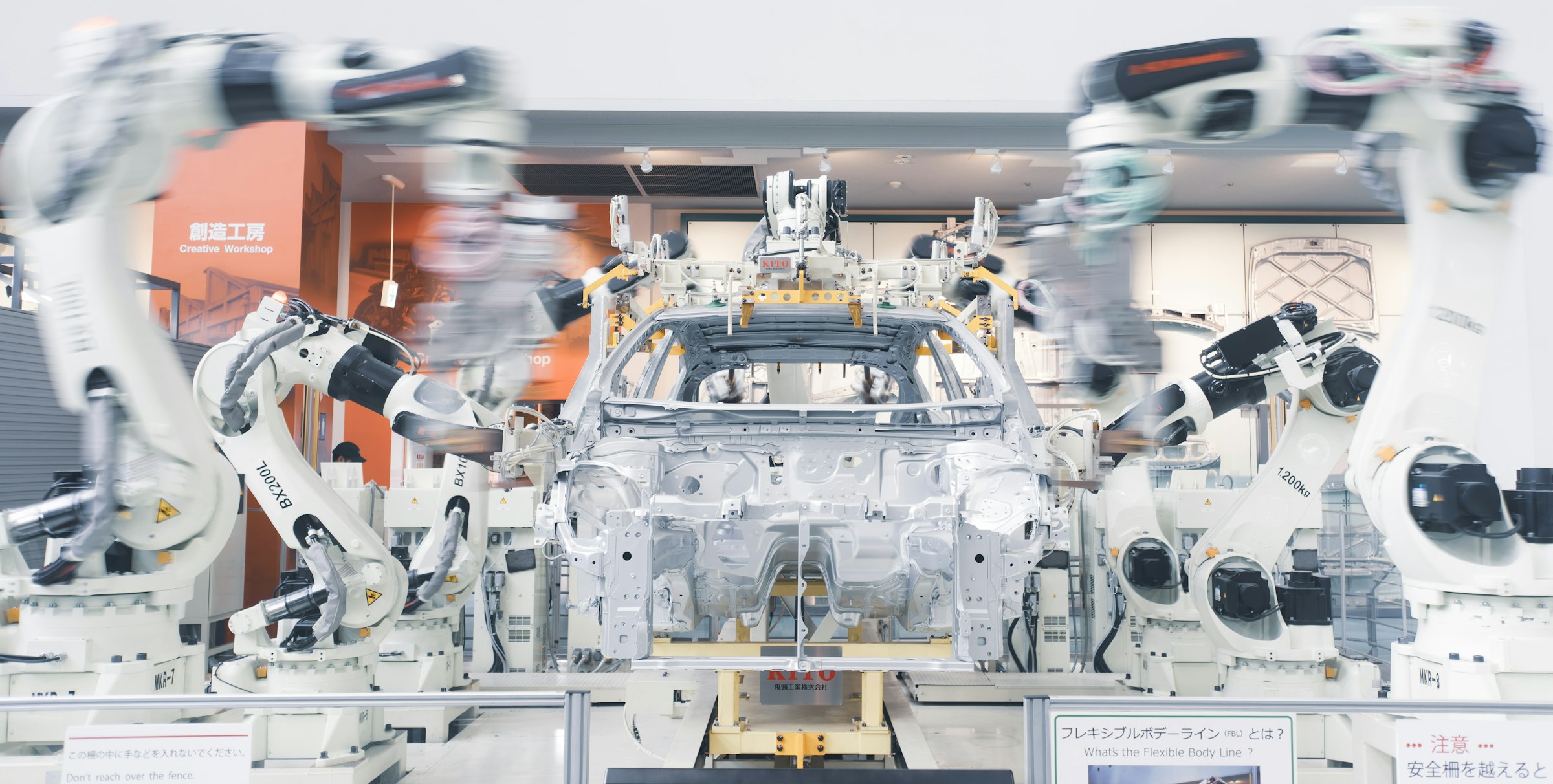
Industrial robots
Fast and precise for welding, assembly, palletizing and high-volume handling inside guarded cells.
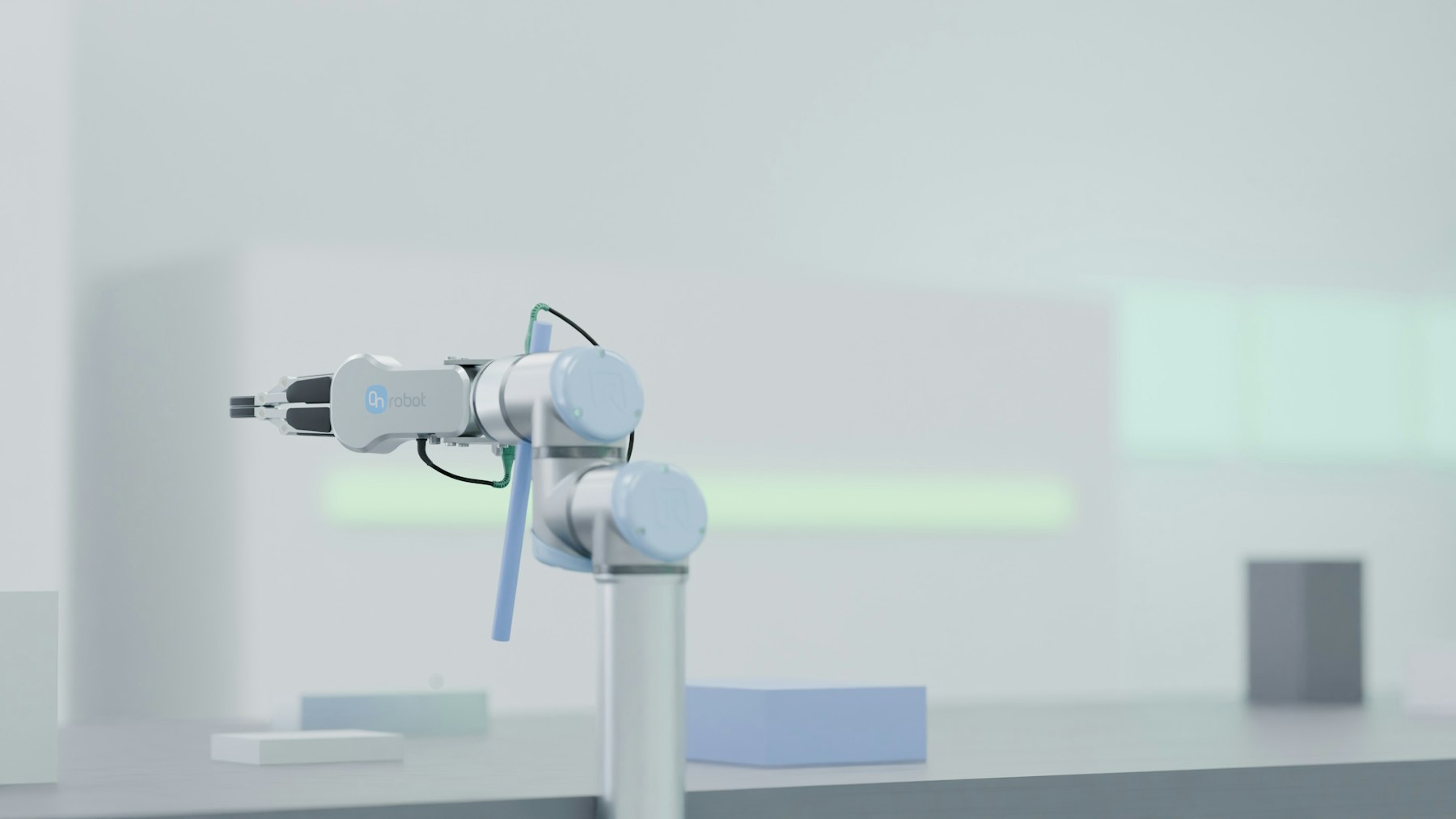
Collaborative robots
Lighter arms that work alongside people for machine tending, packing and quality inspection.
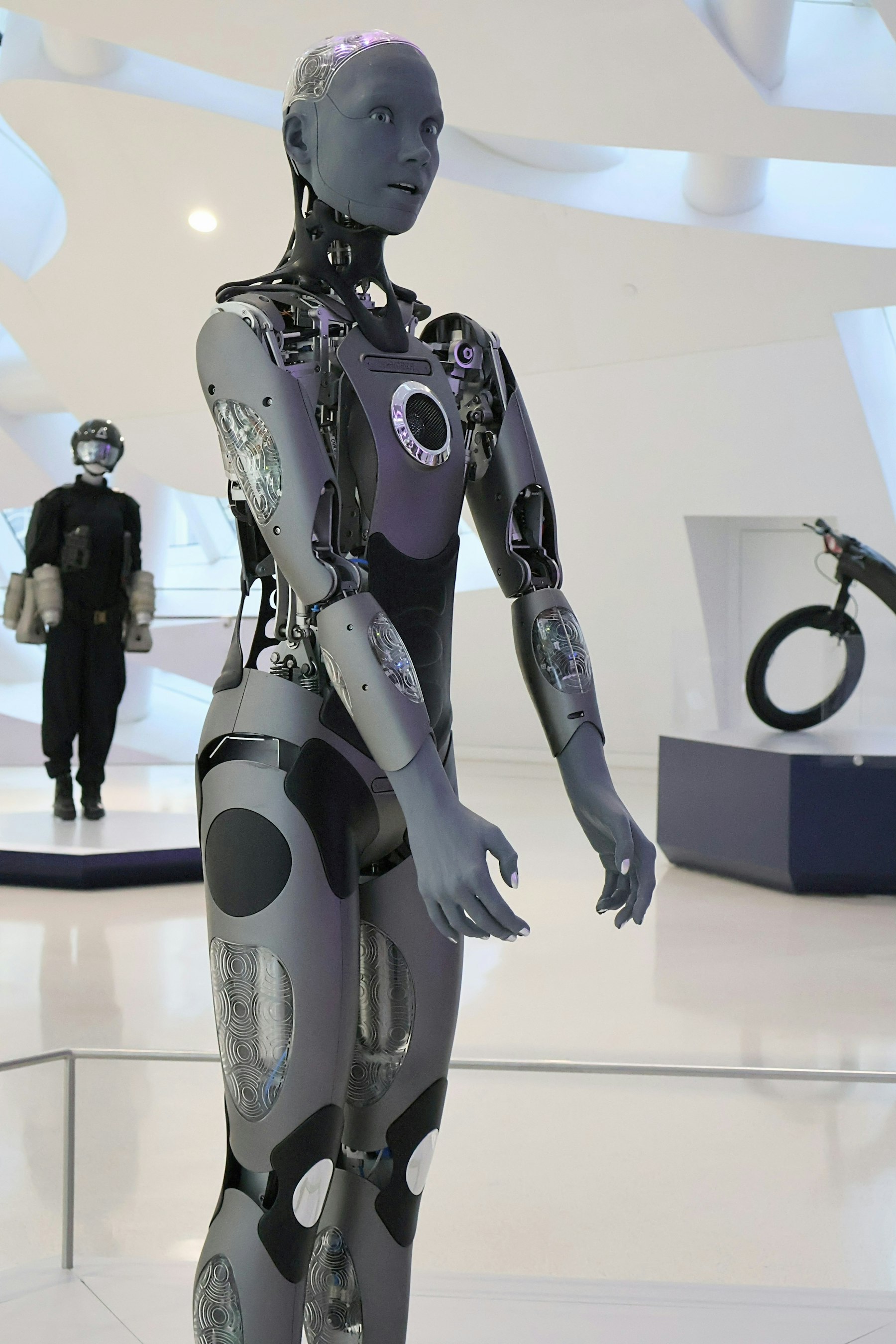
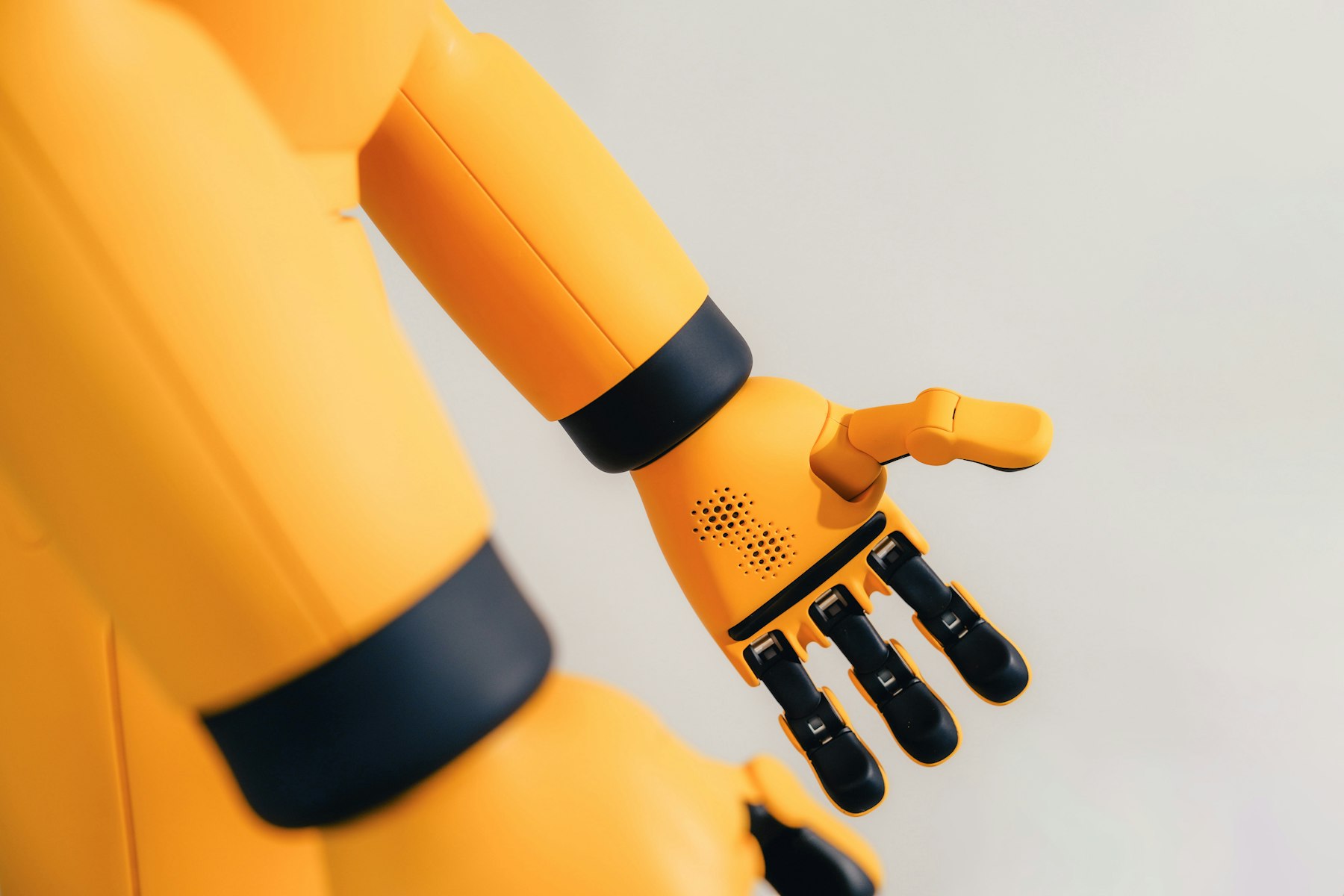
Humanoid robots
General-purpose robots with a human form, built to use the same spaces, tools and containers as people.
Illustrative images
Schematic
How an industrial humanoid works
AI models translate an instruction into a sequence of steps, and adjust the plan when something unexpected happens.
Industrial deployment is still at an early stage.
Early results are strongest in logistics and well-defined handling tasks. Where a fixed line is faster, cheaper or more reliable, we will say so.
Promising today
- Moving totes and cases within existing layouts
- Machine tending and line-side replenishment
- Tasks that change often or vary in sequence
- Areas where fixed automation cannot be installed
Better served by conventional automation
- High-speed, high-volume repetitive tasks
- Heavy payloads and pallet loads
- Wet, washdown and hygienic zones
- Processes already running reliably on fixed lines
Inspection and inventory,from the air.
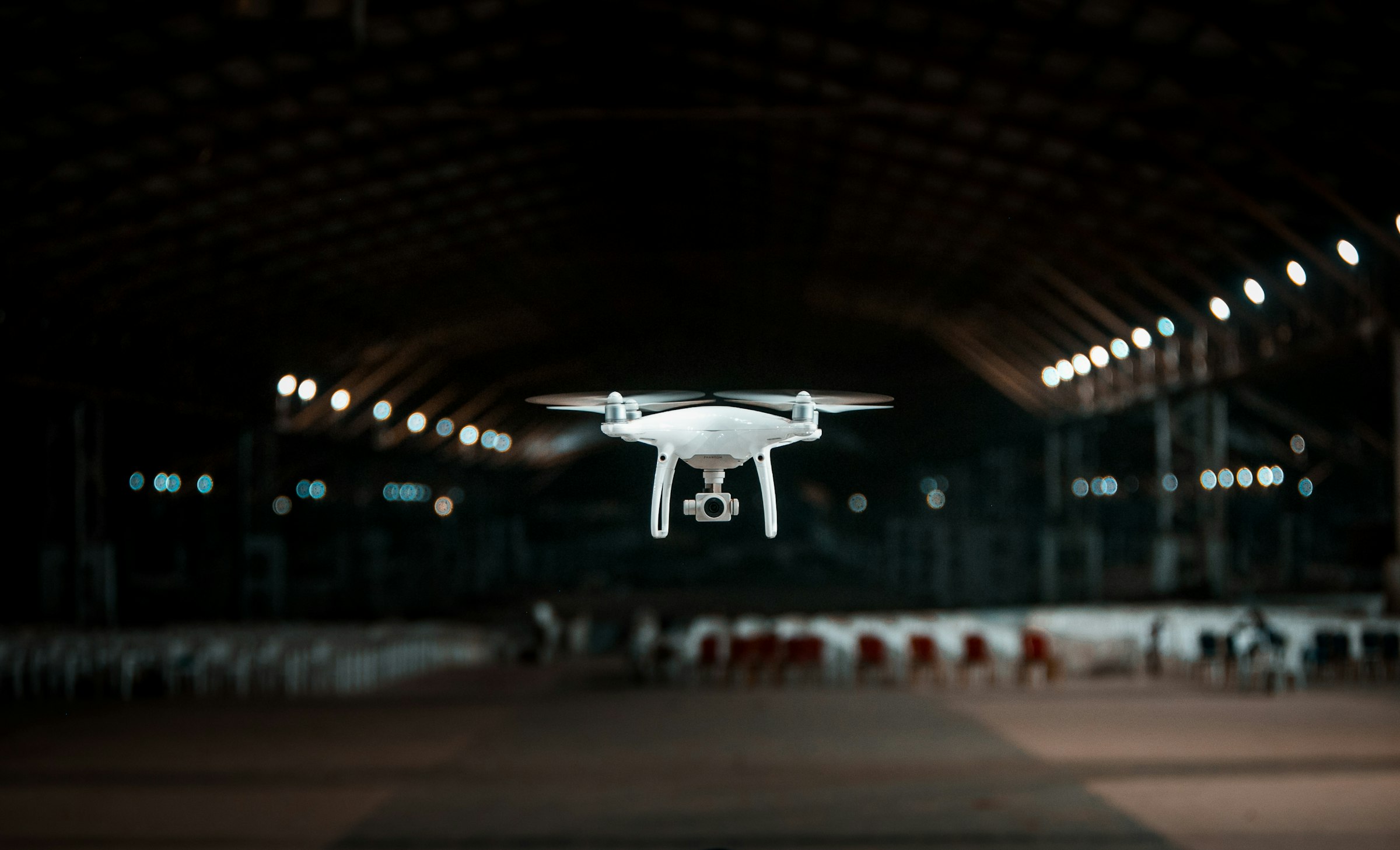
Drones carry cameras and sensors to places that are slow, costly or unsafe to reach on foot, and record what they find the same way every time.
Inventory counting
Indoor drones scan pallet labels in high-bay racking and reconcile them with the WMS, without lifts or overtime shifts.
Roof and facility inspection
Visual and thermal inspection of roofs, solar arrays, silos and tall structures, without scaffolding or work at height.
Site mapping and surveys
Photogrammetry and 3D models of sites, yards and stockpiles, with volumes measured from the data.
Site monitoring
Scheduled flights over yards, perimeters and outdoor storage to document changes over time.
Schematic
How an inventory drone works
Cameras and scanners read pallet labels and barcodes, and capture images of each location as evidence.
Promising today
- Cycle counts in high-bay racking
- Inspection of roofs, solar arrays and tall structures
- Site surveys and stockpile measurement
- Visual checks in areas that are hard or unsafe to reach
Better served by other solutions
- Moving pallets or heavy goods
- Continuous monitoring of a fixed point
- Areas with dense foot or forklift traffic during flights
- Locations where flight authorization cannot be obtained
Outdoor flights follow aviation rules: in the European Union these are set by EASA and may require operator registration and authorization. Indoor flights follow the site's own safety rules. We agree flight areas, hours, exclusion zones and data handling with your safety team before the first flight.
From first use caseto a working fleet.
Robots and drones are selected for each project from specialized manufacturers. We take responsibility for the integration and the business case.
01
Assess
We map candidate tasks and sites, check safety and flight rules, and compare robot, drone and conventional options on the business case.
02
Pilot
A time-boxed pilot on one task, one aisle or one roof, measured on throughput, accuracy, reliability and safety against the current method.
03
Integrate
Robots and captured data are connected to the WMS, MES, safety systems or maintenance planning, so findings turn into actions.
04
Scale
Proven use cases extend to more shifts, aisles, buildings and sites, with performance tracked as the fleet grows.